Phased construction can align investment with demand, but only if the first phase preserves a credible route to the next. Empty land alone is not an expansion strategy.
Reserve the things that become difficult to recover: utility corridors, equipment replacement routes, structural capacity, fire access and space for outdoor plant. A future building footprint may be available while its cable route has been occupied by drainage or its crane position has become essential parking. Record these reservations as controlled project information and review them whenever the site changes.
Stage one: describe the end state
The final campus does not need to be fully purchased at the outset, but its governing constraints should be understood. Develop a masterplan showing plausible ultimate power, cooling, access and drainage arrangements. Test intermediate states as well. The first hall may depend on a temporary route that becomes unavailable during the second hall's construction; the final drawing will not reveal that conflict.
The RIBA Plan of Work is a useful reference for organizing project stages and information exchanges. It is not a data center commissioning specification, but its distinction between briefing, design, construction and use helps expose decisions being deferred without an owner. Establish what must be settled now and what can remain an option without threatening the next phase.
Stage two: buy an interface, not only a package
Procurement should describe the performance envelope and acceptance obligations at each boundary. Confirm transport dimensions, lifting points, storage conditions and factory access for inspection. Identify long-lead dependencies outside the module supplier's control, including transformers, switchgear, utility works and planning approvals. A short assembly programme does not automatically produce an early operational date.
Repeat orders also require change control. Product revisions, component substitutions and controls updates can make a later package behave differently from the original. Define which characteristics must remain compatible and which may change after review. Preserve useful competition by documenting interfaces clearly, while recognizing that mechanical fit does not guarantee functional interchangeability.
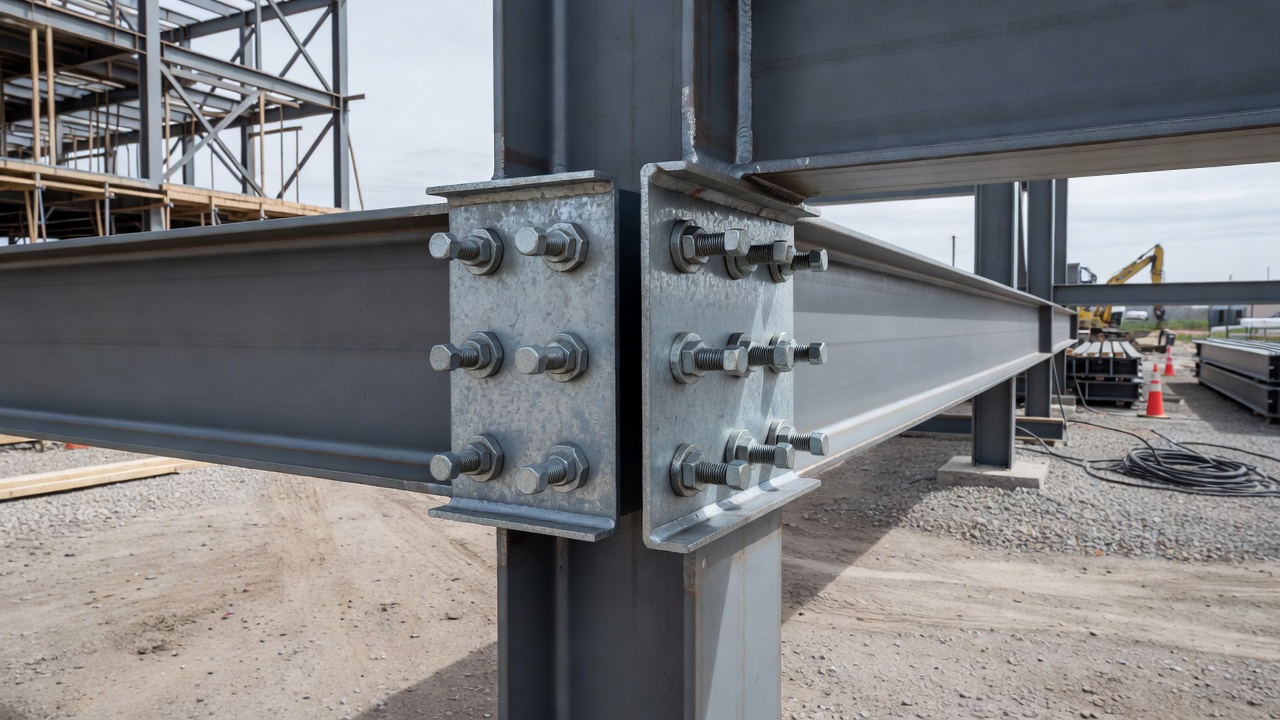
Stage three: separate construction from operation
A live data center and a construction site have different access patterns, environmental tolerances and emergency procedures. Establish physical separation, controlled routes and responsibility for interfaces between them. Dust, vibration, water ingress and accidental service interruption can be more consequential than the installation activity itself. The operator should be involved in planning, not merely notified shortly before work begins.
In Great Britain, the Construction (Design and Management) Regulations 2015 establish duties for relevant project participants. The Health and Safety Executive provides guidance on these responsibilities. The design team must consider risks created by the sequence, including lifting near operating plant and temporary arrangements that change escape routes. Apply the requirements relevant to the actual jurisdiction rather than assuming one national framework covers every site.
Prepare connection plans that define permits, isolation boundaries, hold points and rollback conditions. The people authorizing work need a shared understanding of the operating state. A spare connection point is helpful, but it is not a substitute for proving isolation and confirming what adjacent services remain live.
A phase is complete when operations can own its consequences.— Teammeteortrelum editorial principle, The purpose of this journal
Stage four: release capacity through evidence
Distinguish mechanical completion, energization, integrated testing and operational acceptance. Each is a separate decision. Factory test results should travel with the equipment, but site installation can introduce new faults or reveal conditions the factory could not reproduce. Agree how defects will be classified and which issues prevent progression to the next gate.
| Gate | Evidence to review | Unresolved risk |
|---|---|---|
| Factory release | Inspection and assembly test records | Site integration remains unproven |
| Ready to connect | Installation checks and approved procedures | Operating transitions remain untested |
| Operational acceptance | Integrated results and trained operators | Residual items need named owners |
Integrated testing should examine the intended operating sequences and selected abnormal conditions. Define safe methods, expected results and the limits of simulation. Do not turn a live site into an uncontrolled experiment. Where a test cannot be performed safely, document the limitation and agree how the associated risk is addressed rather than silently treating the scenario as passed.
Stage five: leave a usable record
Handover should include accurate drawings, settings, asset identification, maintenance requirements, spare parts and operator training. ISO 55001 provides a management-system reference for assets; it reinforces the value of connecting acquisition decisions to operation and long-term objectives. The information needed to replace a pump or isolate a distribution section is part of the facility, not an optional administrative extra.
Finally, compare actual demand and performance with the assumptions that justified the phase. Review energy use, incidents, control behavior and the remaining expansion reservations. ISO 50001 provides an energy-management framework that can support this continuing review. Modularity is most useful when each deployment improves the next decision, rather than simply repeating the original uncertainty at a larger scale.