Modular data center architecture divides a facility into repeatable, coordinated units that can be manufactured, installed or expanded with controlled interfaces. It is a method of organizing change, not a synonym for a shipping container.
A module might contain a complete electrical train, a cooling distribution assembly, a row of IT cabinets or a weatherproof technical room. These are different architectural propositions. A room-shaped package may offer a clear delivery boundary while leaving utility upgrades unresolved. An indoor power skid may appear less complete but integrate more readily with an existing building. The useful comparison is the scope of work made predictable, not the proportion hidden behind a factory door.
Choose what should repeat
Begin with the demand envelope: expected IT load, rack density distribution, equipment turnover and the uncertainty of future workloads. High-performance computing can change the balance between floor area, power and cooling much faster than an office fit-out changes occupancy. A repeatable floor plan is therefore insufficient if its service allocations cannot accommodate the next generation of equipment.
Standardize elements whose requirements are stable. These may include access clearances, lifting points, instrumentation naming, isolation arrangements and connection geometry. Preserve flexibility where requirements remain uncertain. An interface schedule should state electrical limits, hydraulic conditions, structural loads, fire separation requirements and control responsibilities. It should also identify tolerances rather than assuming two nominally matching assemblies will fit together.
Write the boundary twice
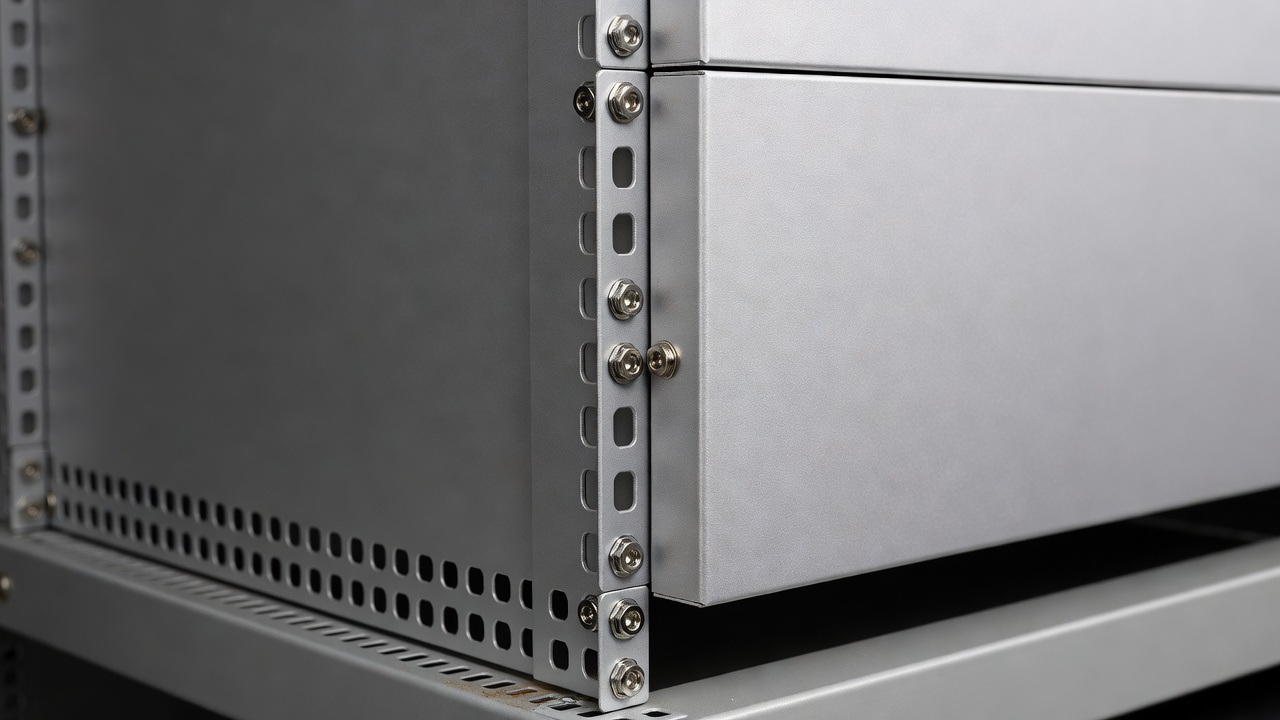
The first boundary is physical: the flange, terminal, door, cable entry or software connection where one system meets another. The second is contractual: who designs, supplies, installs, verifies and maintains that connection. Projects become vulnerable when these boundaries differ but the difference remains undocumented.
For each connection, name an accountable owner and define an acceptance record. A supplier may test an assembly internally without proving the field-installed protective conductor or the site's alarm routing. Equally, a site contractor may verify workmanship without being responsible for the assembly's performance under load. A responsibility matrix should connect those obligations rather than leave a gap between purchase orders.
ISO 19650 offers a framework for managing information across an asset's life cycle. It does not choose a module size or certify a design, but its emphasis on agreed information requirements is useful here. An interface is only reusable if the next design team can discover what was agreed, what changed and what was actually installed.
Make resilience cross the boundary
Uptime Institute's Tier framework and the EN 50600 series approach data center infrastructure from defined performance and availability perspectives. Neither should be reduced to a marketing label attached to a single package. The topology and operating arrangements of the complete site still matter. A modular unit cannot independently guarantee the resilience of upstream supplies or shared heat rejection.
Review the failure domain around each module. Ask whether maintenance can be completed without entering an adjacent electrical hazard zone, whether a failed control network can affect multiple trains and whether a leak can cross compartment boundaries. Then test the isolation sequence. Two parallel packages are not independent if the only practical maintenance route requires taking both out of service.
Repeatability is valuable when the exception has somewhere to go.— Teammeteortrelum editorial principle, The purpose of this journal
Compare the compromises
| Boundary | Potential benefit | Coordination burden |
|---|---|---|
| Equipment skid | Repeatable plant assembly | Site services and access |
| Technical room | Controlled internal environment | Fire strategy and building interfaces |
| Hall block | Repeatable operating zone | Campus utilities and shared infrastructure |
Factory assembly can reduce weather exposure and permit earlier inspection. It can also concentrate procurement risk, impose transport constraints and make late changes expensive. Check route dimensions, lifting capacity, temporary storage and replacement access before treating factory completion as a schedule advantage. The building must accept both the first installation and the later removal of its largest maintainable component.
Specify evidence, not just completion
Acceptance should progress from design review to factory tests, installation verification and integrated systems testing. Define expected results at each stage. Include controls, alarms, safe shutdown, restart behavior and realistic partial-load conditions. A witnessed test is useful only when its configuration and outstanding limitations are recorded.
Keep the final record intelligible to operators. Provide updated drawings, settings, isolation procedures, spare-part strategies and the assumptions reserved for future phases. ISO/IEC 22237 and ANSI/TIA-942 are additional references for discussing data center infrastructure requirements; check the applicable edition and scope with the project team. The best module boundary is the one the operator can explain without having to reconstruct the procurement history.